
Heroes
Napoleon’s Overconfidence: Genius or Fatal Flaw?
Austerlitz and the 1812 invasion of Russia were run by the same man with the same methods. What changed was the map, the enemy, and how much Napoleon believed his own record.
Austerlitz and the 1812 invasion of Russia were run by the same man with the same methods. What changed was the map, the enemy, and how much Napoleon believed his own record.
Weather finished damaged ships—but the Armada of 1588 had already failed. A fragile Parma rendezvous, English gunnery, and logistics decided the campaign.
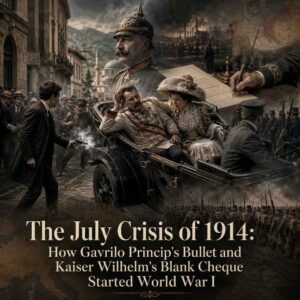
The archduke’s driver took a wrong turn straight into Gavrilo Princip’s path, and the shots that followed — amplified by Kaiser Wilhelm’s unconditional “blank cheque” to Austria-Hungary — triggered the July Crisis that ignited World War I.
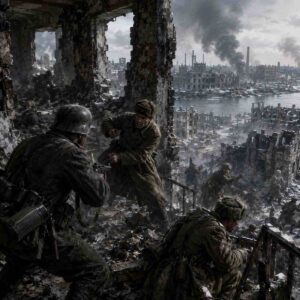
Stalingrad’s six months of urban combat didn’t just kill hundreds of thousands — it broke the myth of German invincibility and rewrote the logic of modern war.
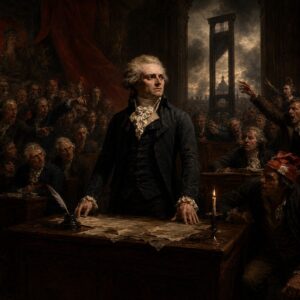
Robespierre built the Reign of Terror to protect the French Revolution — then it destroyed him. Inside the logic of revolutionary self-destruction.
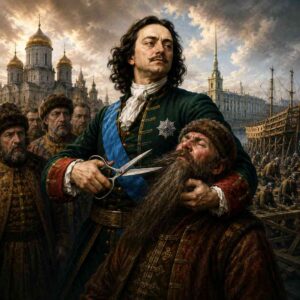
Peter the Great’s brutal modernization didn’t just reshape Russia — it forced an entire civilization to choose between extinction and reinvention. Here’s the real turning point.
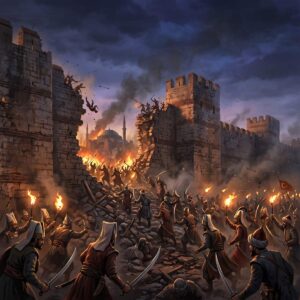
For a millennium, the city was considered impregnable. But on May 29, 1453, a 21-year-old sultan with revolutionary artillery shattered its legendary walls. In a single night, Mehmed II didn’t just conquer a city—he ended a 1,000-year empire and reshaped the course of history forever.
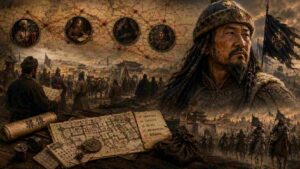
Behind every Mongol conquest was an invisible empire of spies, merchants, and intelligence networks that defeated enemies long before the cavalry arrived.
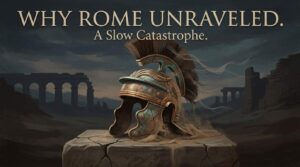
Rome didn’t fall in a day. It unraveled across centuries — and the people who held power couldn’t see it. That’s what makes the Fall of Rome truly terrifying.
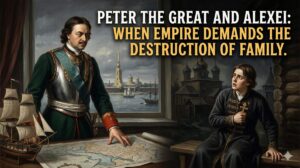
Peter the Great had his own son tortured, tried for treason, and sentenced to death. The story of Alexei Petrovich reveals what empire-building actually costs.