
Heroes
Charlemagne: Why a Pope Crowned the Frankish King Emperor
On Christmas Day 800, Pope Leo III crowned the Frankish king Charlemagne Emperor of the Romans in St. Peter’s. Why the pope did it and what it meant for Europe.

On Christmas Day 800, Pope Leo III crowned the Frankish king Charlemagne Emperor of the Romans in St. Peter’s. Why the pope did it and what it meant for Europe.

At Siwa, Alexander the Great was hailed as son of Zeus-Ammon, and he claimed descent from Achilles. Did he believe he was divine, or use it as a tool of power?
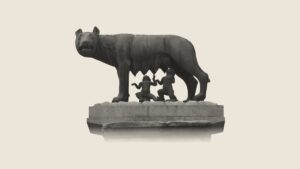
Romulus, the legendary founder of Rome, is a figure shrouded in myth and legend.
Stories involving Romulus have been passed down through the ages, and the city he founded expanded to control all of Europe and the Mediterranean world.