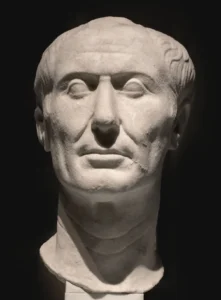
Heroes
Julius Caesar: Why the Senate Killed the Dictator for Life
Julius Caesar conquered Gaul, crossed the Rubicon and was named dictator for life. Then senators who feared a king stabbed him on the Ides of March, 44 BCE.

Julius Caesar conquered Gaul, crossed the Rubicon and was named dictator for life. Then senators who feared a king stabbed him on the Ides of March, 44 BCE.
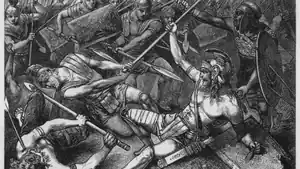
Spartacus, a man who led one of the most famous slave revolts of the ancient world defying an empire.

Leonidas of Sparta is a name that echoes through the centuries, with his famous last stand at Thermopylae, his final act of heroism altered the course of history.

Hannibal crossed the Alps and crushed Rome at Cannae, yet never took the city. No siege train, too few men, scant help from Carthage: how he won and still lost.

Saint Valentine, a bishop or priest that helped save christians from persecution, performed secret marriage rites and other acts of compassion. His feast day on February 14th became associated with romance giving way to the annual festival of love that sweeps across much of the globe today.
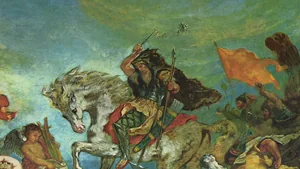
Attila the Hun, aka the Scourge of God was a ferocious nomad from the Eurasian steppes that became the terror of the world’s mightiest empire, shaping events that herald the dawn of the Middle Ages.
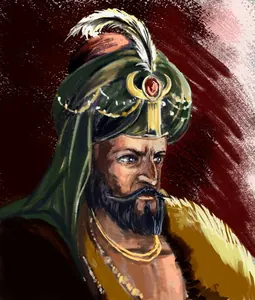
The story of Mehmed II, famously called Mehmed the Conqueror, is not just about taking the throne; it’s about the reshaping of a centuries-old empire, the pivotal fall of an ancient city, and blending tradition with innovation in a way so that the Ottoman state could dominate the region for generations.
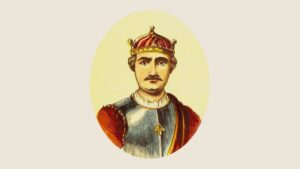
William the Conqueror stands as one of the most transformative rulers of the Middle Ages conquering England and recalibrating the balance of power in medieval Europe for centuries to come.

Throughout history, certain leaders stand out for their ability to reshape the world. One such figure is Cyrus II of Persia, the founder of the Achaemenid Empire.
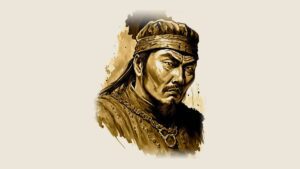
Genghis Khan would rise to become the founder and emperor of one of the largest empires the world has ever seen and reshaped the course of history.